food bbq
The Line Is the Point
Why Texans will stand three hours in July for a plate of meat and butcher paper — and what the wait is actually for.
The first thing you notice in Lockhart is not smoke. It is the parking. By ten in the morning the lots are full and the line is already out the door, made up of people who drove ninety minutes to eat lunch at eleven.
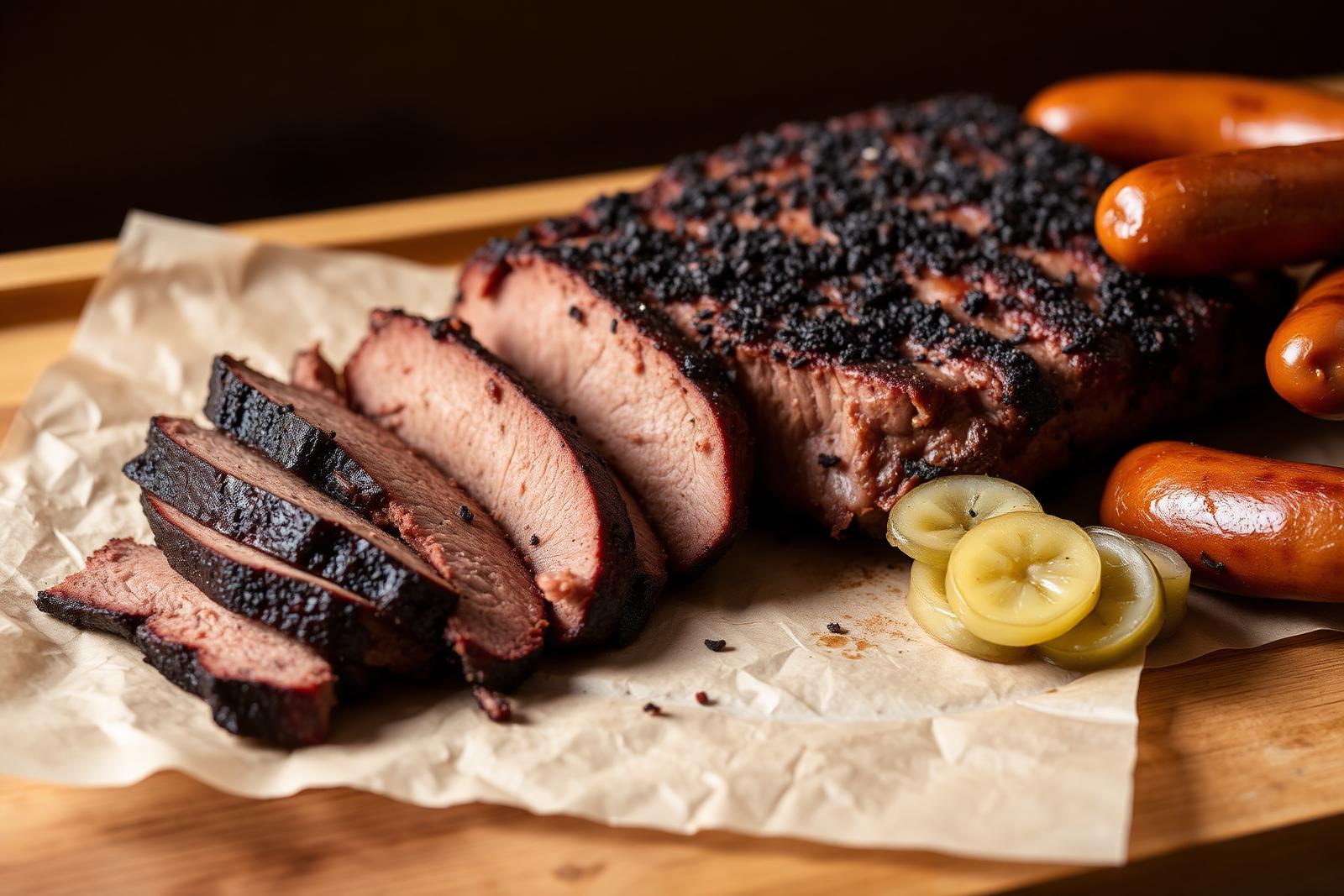
Central Texas barbecue is a German and Czech butcher tradition that got adopted by everybody. Meat markets smoked what they could not sell fresh, served it on butcher paper with white bread and pickles, and never developed the habit of sauce. The technique is nearly absent: post oak, salt, coarse black pepper, and twelve to fourteen hours of somebody paying attention.
What the pitmaster is actually doing
A brisket is two muscles with wildly different fat content, cooked as one piece. The flat wants to dry out; the point wants more time. Getting both right means managing a fire by feel for half a day, wrapping at the stall, and then — the part nobody photographs — resting the meat for hours before slicing.
“You can teach the fire. You cannot teach somebody to stay awake for it.”
How to eat it
- Order by the pound, fatty end, and ask for it sliced in front of you.
- Skip the sauce at least once before you decide.
- Sausage is the honest test of a pit — order a link.
- Go on a weekday. The best meat is gone by two.
The line, in the end, is a room full of strangers who agreed the same thing was worth rearranging a day for. That is rare enough in Texas or anywhere else. It is also, if you press people on it, most of the answer to what defines this state: not the meat, the willingness to wait for it.
- barbecue
- lockhart
- brisket
- central texas
Keep reading